Guides and insights from Omniconvert.

More reviews for home and garden brands is a calendar problem: the product is judged over a season, so one post-purchase ask collects a delivery review.
Read more →
Reviews for supplement brands fill with delivery and taste, because the benefit is imperceptible. Ask about an observable proxy and adherence.
Read more →
Reviews for skincare brands credit and blame the wrong product, because skin changes for many reasons at once. Record the routine, not just the rating.
Read more →
Getting more reviews for fashion brands is a timing and attribute problem: ask after the fit verdict, and capture the size the reviewer actually kept.
Read more →
Getting more reviews for beauty brands means asking twice: once for the texture verdict, and again once the product has had long enough to work.
Read more →
UGC tools fall into five jobs, and most brands buy the wrong one first. Compared here on the rights chain and on where the asset is allowed to run.
Read more →
Reviews and UGC for DTC come down to six questions. Each is answered briefly here, with the decision it turns on and where the detail lives.
Read more →
Review recency is the age distribution of a product reviews, not the date of the newest one. Why it decays, what it costs, and how to measure it.
Read more →
Review platforms for DTC come in five kinds, compared here on who owns the evidence and what it costs to leave. Pick the type before the vendor.
Read more →
Review schema only earns stars when the markup, the page and the review source agree. What makes a page eligible, what disqualifies it, and how to check.
Read more →
How to display reviews so they answer the objection a shopper actually has: placement, distribution, visible negatives and filtering by situation.
Read more →
Fresh reviews are the only evidence that still describes the product you sell today. Why recency drives AI visibility, and how to keep a steady flow.
Read more →
Review bombing is survived by what you built before it started. The baseline that detects it, the first 24 hours, and the dilution that makes it fail.
Read more →
Reviews affect conversion through four separate levers, and most stores measure none. The mechanisms, and how to prove it in your own data.
Read more →
Six signals that identify fake reviews, ranked by how reliable each is alone, plus what to do about the two kinds that damage a store differently.
Read more →
A UGC engine produces customer content every week with no campaign behind it. The four loops that keep one fed, and the one that quietly fails first.
Read more →
Nine low-budget UGC tactics that work because they lower the cost of the ask rather than raise the reward. What each returns, and which two to run first.
Read more →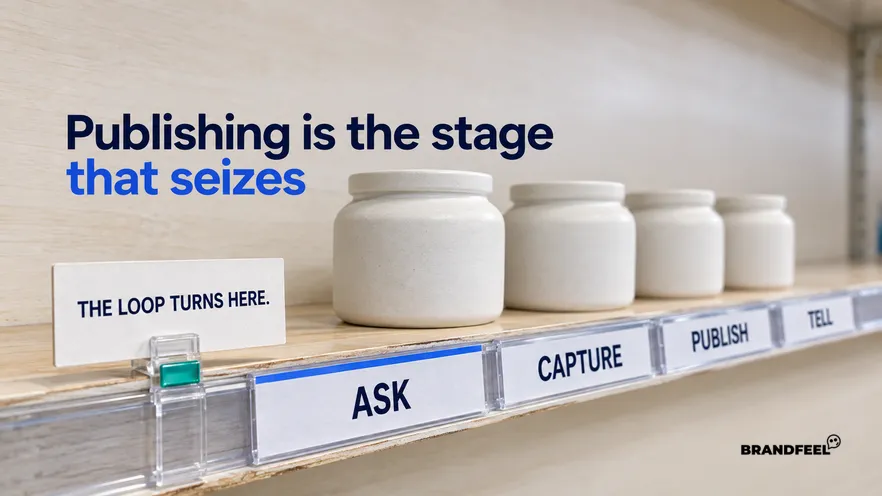
A UGC flywheel is a loop where published customer content recruits the next contributor. Four stages, the one that always breaks, and how to start it.
Read more →
How to source UGC for ads from customers you already have: four signals that identify who to ask, and the request that returns a usable file.
Read more →
How to motivate customers to create content: the four motives behind almost every submission, and why an incentive replaces the motive.
Read more →
Ten negative-review response templates, written out in full, with the reason each one is shaped the way it is and the line to never include.
Read more →
Five sources of customer UGC without a big budget, the moment in the order cycle when asking works, and the three things that stop people sending anything.
Read more →
An angry reviewer has already told you what went wrong and stayed to say it. The five-step Recovery Ladder that turns that complaint into a second order.
Read more →
An unfair review is one that breaks a platform rule, not one that stings. The Fairness Test, what platforms really remove, and how to reply to the rest.
Read more →
How to run a UGC contest that produces usable creative instead of noise: the Entry Cost Test, prize design, disclosure rules, and what to measure.
Read more →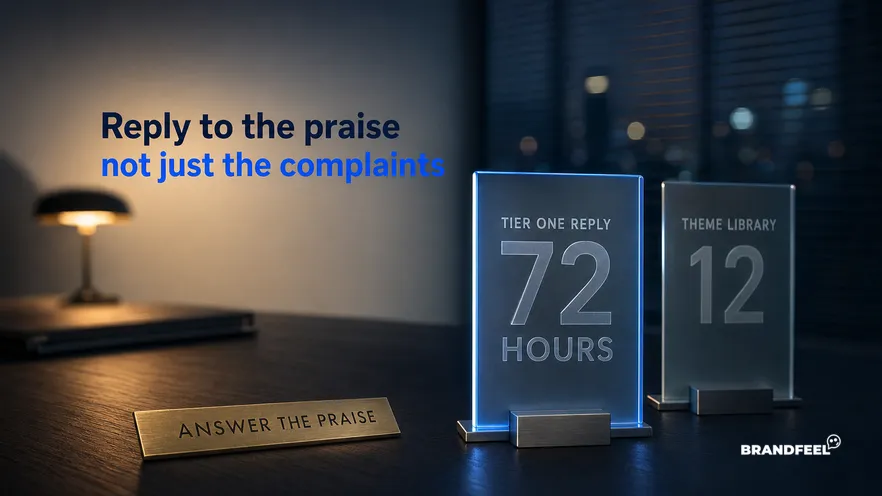
How to respond to positive reviews without sounding automated, why replies to praise drive repeat revenue, and the Reply Ladder that scales it.
Read more →
How to report fake reviews on Google, Amazon, Trustpilot and your own store, what evidence each platform wants, and what to do when a report is rejected.
Read more →
How to respond to negative reviews, with eight templates matched to the situations that produce them and the three audiences every reply must satisfy.
Read more →
Eight review-request email templates, each matched to the moment it is sent, with the subject lines, the wording that works and why each one performs.
Read more →
Twelve ways to get more reviews this quarter, ordered by effort against return, including the four most stores skip and the one that changes coverage.
Read more →
To increase review volume after delivery, fix coverage before copy. How to find the delivered orders nobody ever asked, and close the gap.
Read more →
Photo and video reviews fail for a reason text reviews do not: the request arrives long after the moment worth capturing. How to close that gap.
Read more →
Every store has an annoyance budget with each customer. How to ask for reviews without overspending it: frequency, channel and consent.
Read more →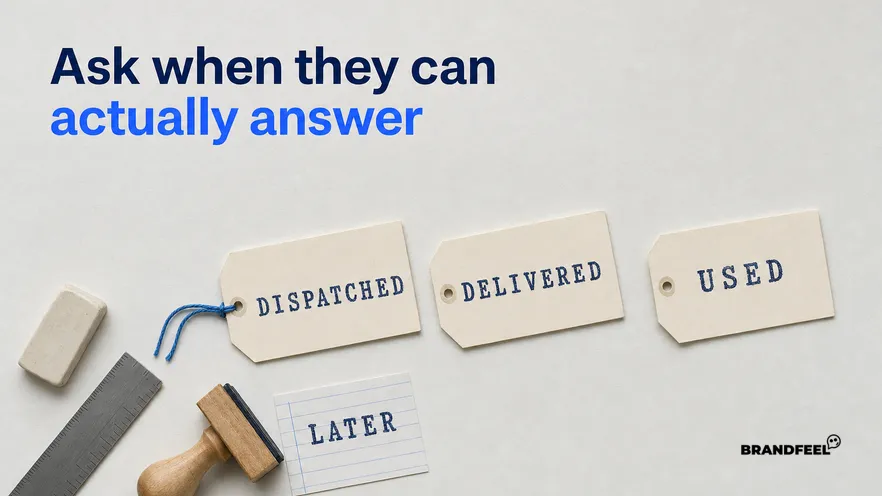
The best time to ask for a review is the moment the customer can answer, not a set number of days after dispatch. How to find that moment in your data.
Read more →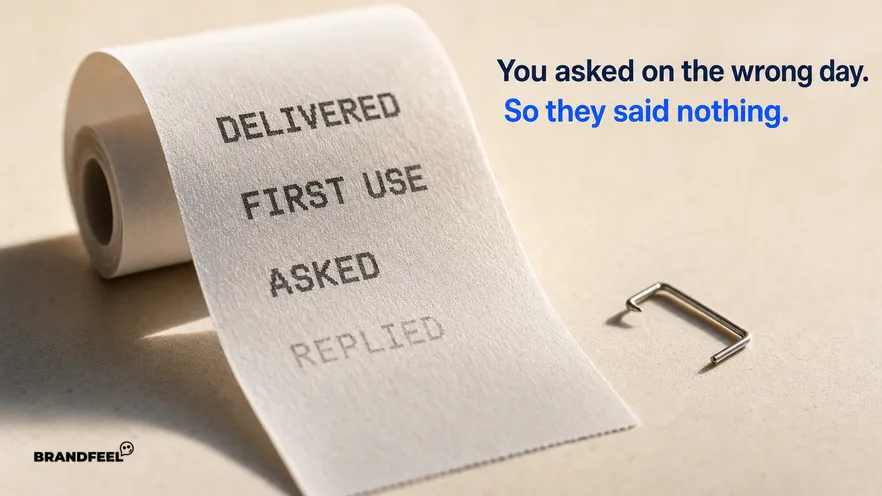
A review request sequence beats a single send: four touches, timed to product experience rather than to delivery, and built on one specific question.
Read more →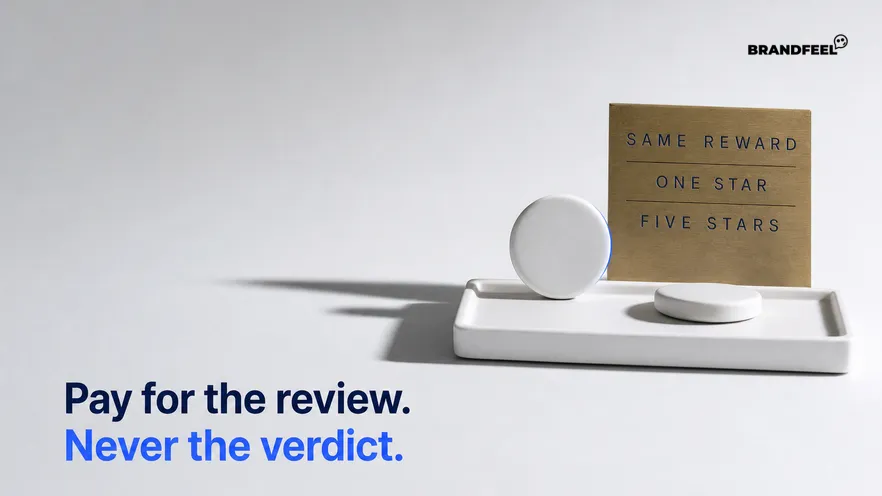
How to incentivise reviews inside the rules: what platforms prohibit, why it reduces to one principle, and the four-condition test an offer must pass.
Read more →
What Net Promoter Score tells you about ecommerce brand health, where it breaks down, and how to turn the verbatim comments behind the number into action, with sentiment data from Brandfeel, Omniconvert’s sentiment-intelligence layer.
Read more →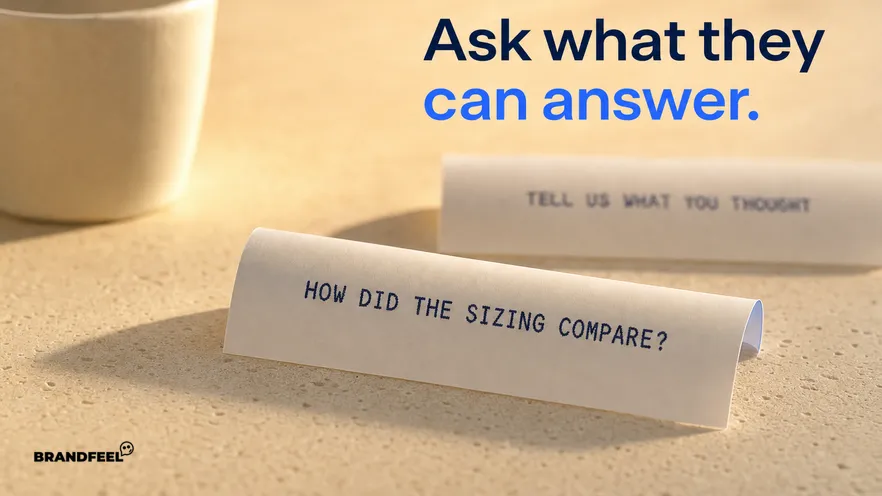
To get more product reviews, change three things: when you ask, what you reward and what you actually ask. Timing, incentives and templates.
Read more →
A review generation system asks the right customer at the right moment and routes what comes back. How to build one that keeps running in a real store.
Read more →
How to turn competitor and your own reviews into high-converting ad angles: mine reviews for a live objection, validate it with the recency, recurrence, unresolved checklist, then answer it in a single-claim ad that never names the competitor. With sentiment data from Brandfeel, the sentiment-intelligence layer from Omniconvert.
Read more →
Customer sentiment intelligence turns reviews, NPS verbatims, and support tickets into ranked, actionable themes tied to CLV and churn, not a single satisfaction score. What it is, what feeds it, and how to act on it.
Read more →
A repeatable 4-step method to find competitor weakness from reviews: pull the recent window, cluster into themes, filter for recurring and unresolved complaints, then validate the strongest theme against a second data source before you act.
Read more →
NPS scores loyalty as a single number; sentiment analysis reads the themes behind it. Here is how the two customer-feedback methods differ, when you need both, and how to run them together, with data from Brandfeel, Omniconvert's sentiment-intelligence layer.
Read more →
What competitor review monitoring is, why an ongoing cadence beats a one-time audit, and how the 3-trait weakness filter separates a real product weakness from review noise, with sentiment data from Brandfeel, Omniconvert’s sentiment-intelligence layer.
Read more →